Microbiological Food Safety task force
Products
Information
Position your company on cutting-edge scientific topics.
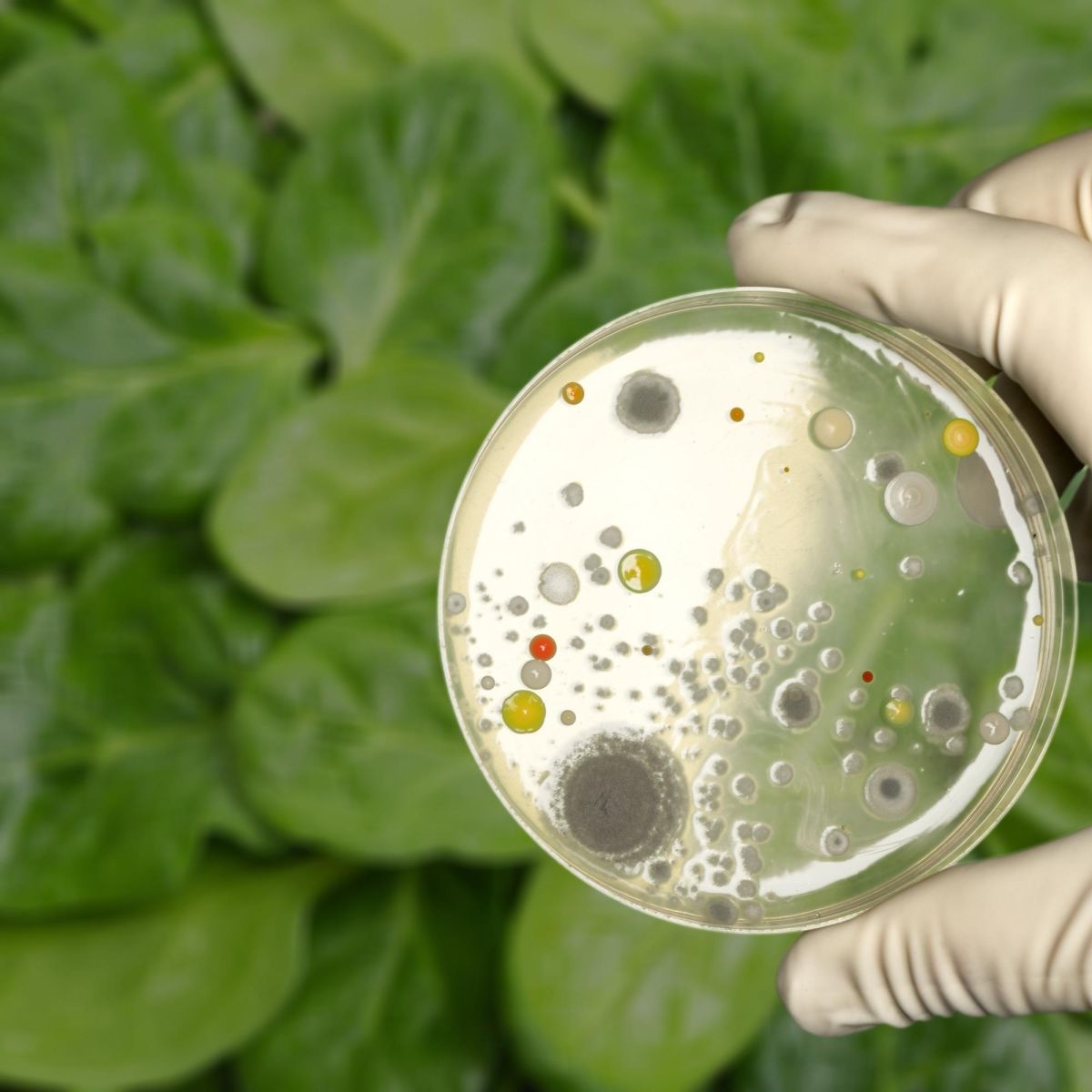
Join companies, academics and public authorities to work on facilitating the development of harmonised, science-based approaches to predict and prevent risks. Those approaches may serve as decision-making support for regulators and food industry. Reviewing the existing knowledge on current and (re-)emerging pathogen behavior and ecology is also key. The Task Force will also try to answer the reason why the pathogens persist by detecting and typing methods, as well as reviewing potential control options available.
An ongoing activity is focused on the impact of sampling procedures on the performances of microbiological methods. Risk management considers results of risk assessment and of routine tests made on samples, taken during production and on finished products. Taking high numbers of samples results in high workload for laboratories. Therefore, compositing (or pooling) samples is often used. Yet the implications of different pooling methods are often poorly understood. Can pooling improve sampling calculations and risk management? We will detail the advantages and disadvantages - as well as consequences in terms of results – of different pooling approaches.
In the pipeline is an activity related to when are bacilli and clostridia a microbial food safety issue. The aim is to prepare a guidance document on which foods are of concern for spore forming microorganisms, and why.
More info: https://ilsi.eu/scientific-activities/food-safety/microbiological-food-safety/